Past work · By Iftekhar Ahmed (Ifty)
Brailly: building for people who could not afford the product
My first attempt to turn assistive technology into a company, and how it led me toward research and NGO work.
Starting with access to everyday things
I started Brailly in Bangladesh while I was still in school. I wanted blind students to have easier access to books and the ordinary tools many of us take for granted: a calculator, an alarm, news, and a way to communicate.
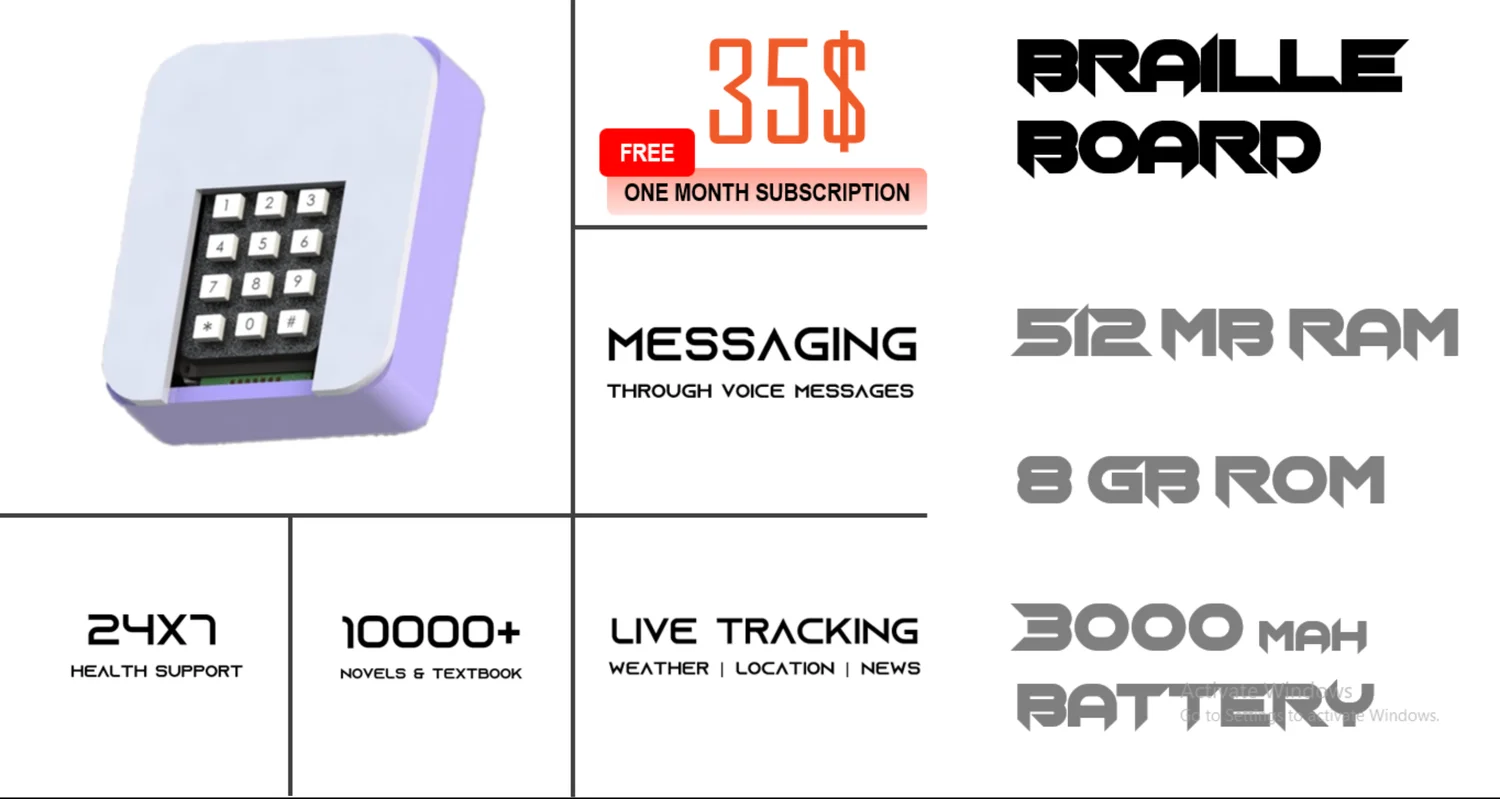
Braille Board was a small device built around that idea. Alongside it, we worked on the Blind Eye app and software so people who already had a phone or computer could use those devices instead.
I was excited by how much we could put together with relatively inexpensive hardware. But “inexpensive compared with other assistive technology” would turn out to be a very different thing from affordable to the people we wanted to reach.
Learning through prototypes
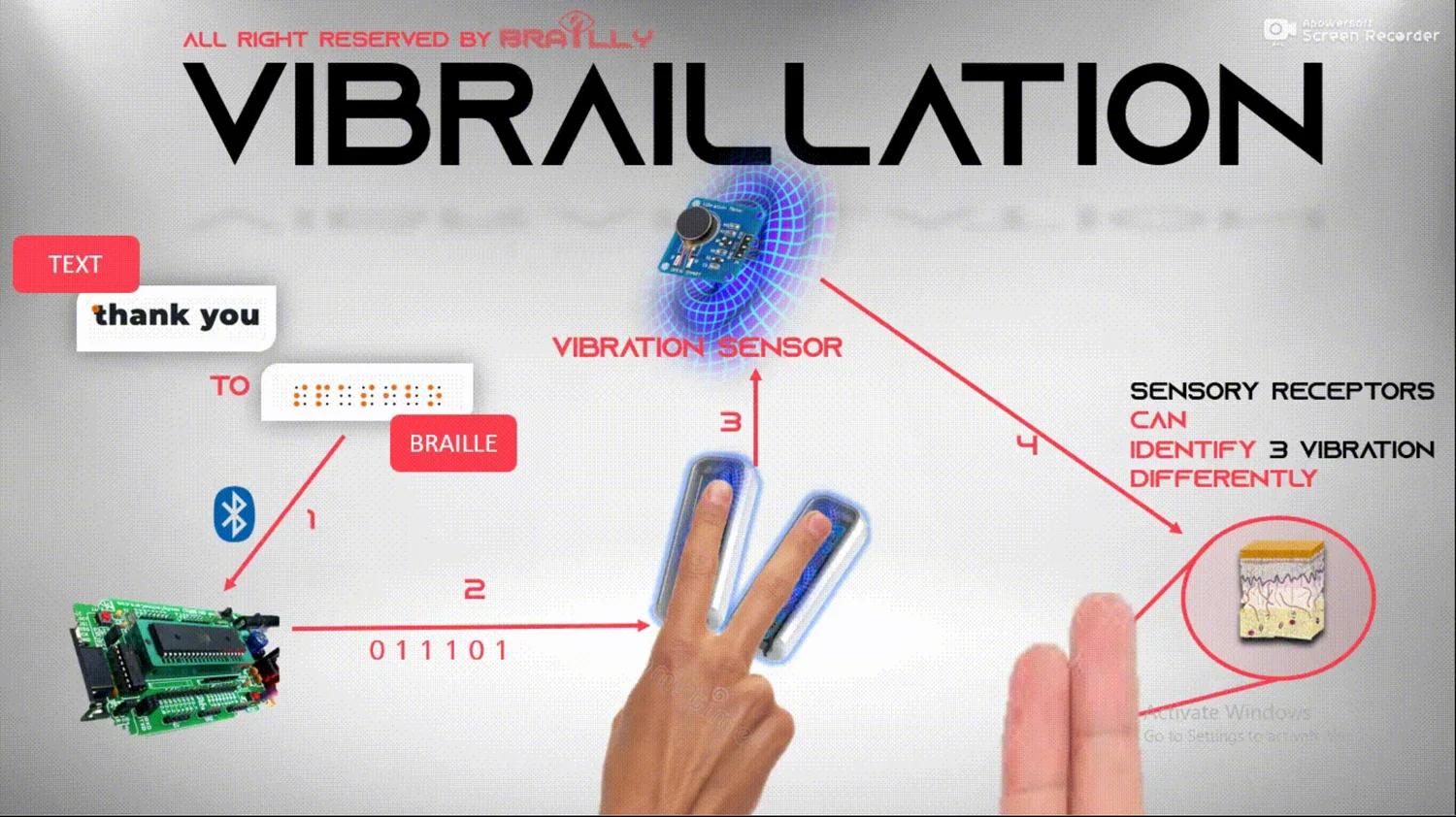
Our work also included Vibraillation, an exploration of communicating text through vibration patterns. These early designs were attempts to make digital information available through different forms of input and feedback.
The most useful part of developing assistive technology was seeing what someone could actually do with it. A feature list could look convincing while the interaction still needed work. That kept bringing me back to usability and how much a person would need to learn before a device became useful.
Pitching Brailly beyond our team
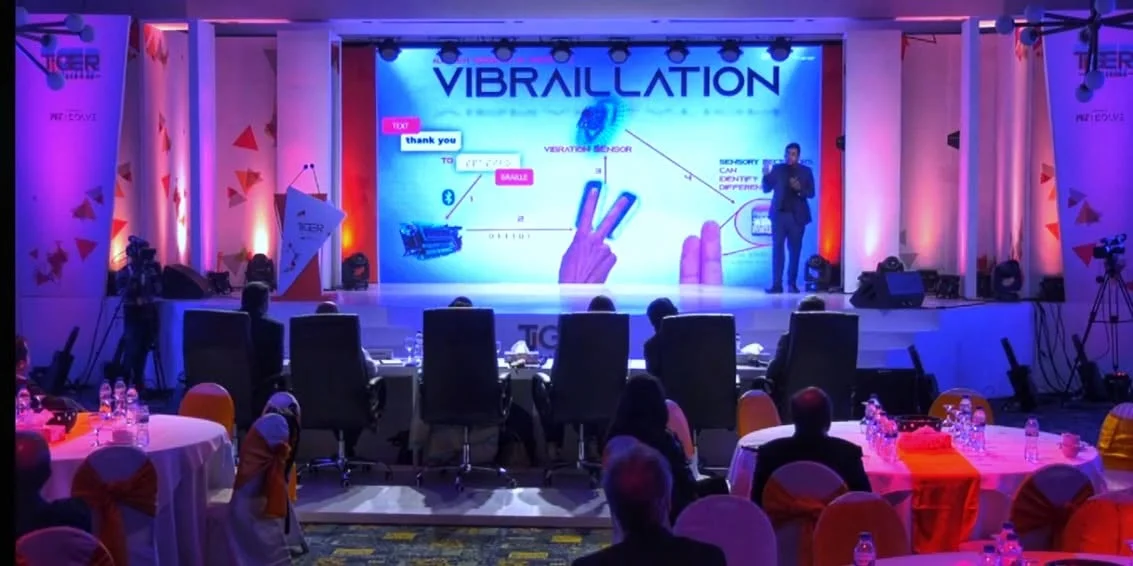
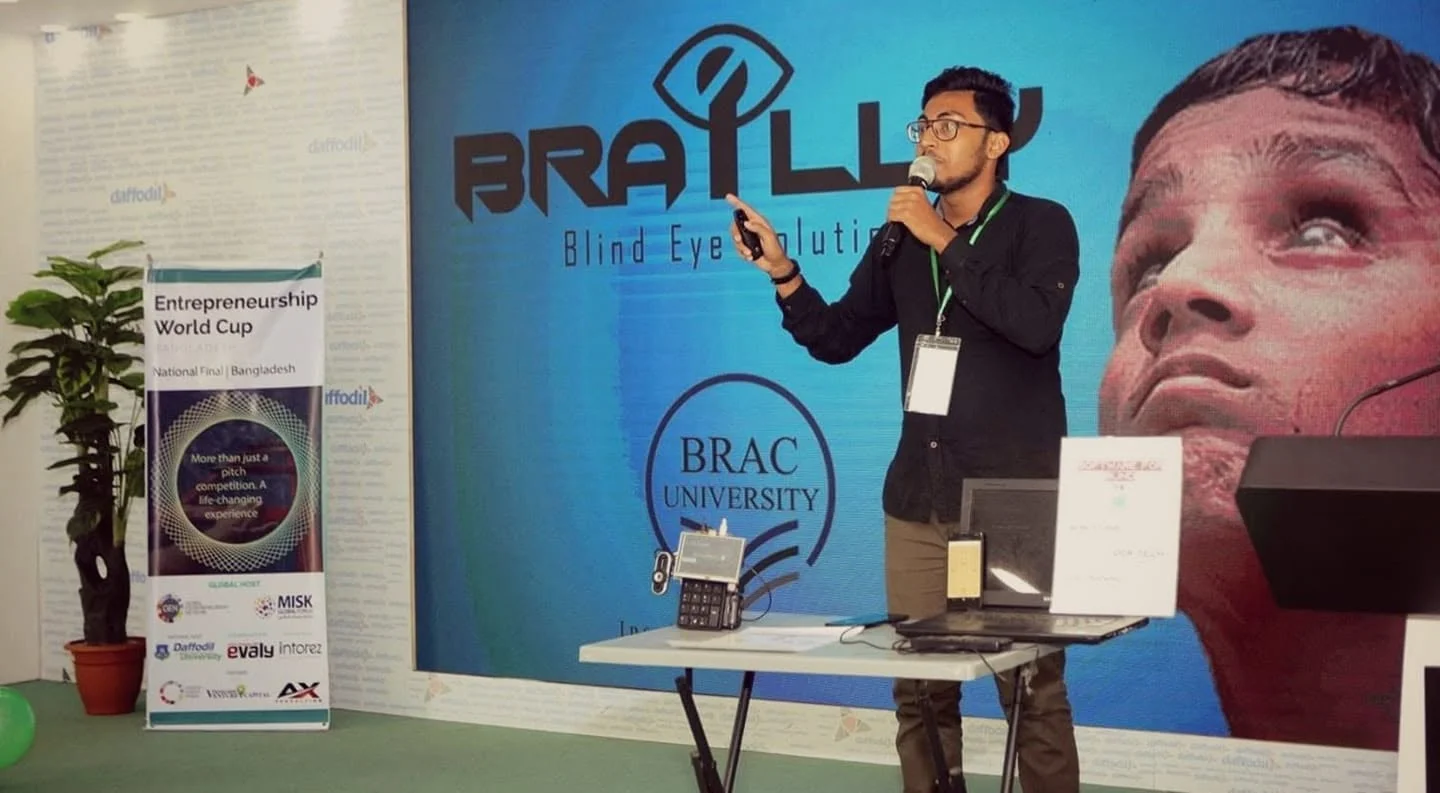
I presented the work at competitions and events, trying to explain both the devices and the need behind them. Brailly was selected in MIT Solve’s Tiger Challenge for Bangladesh-based applicants. That recognition mattered to me, particularly at that age.
I hoped recognition would help us find a way to fund development and distribution. It gave us something to point to, but the financial questions remained. We still needed a practical way to get the technology into people’s hands.
The people who needed it had little money to spend
In my estimate at the time, roughly 90% of the people we hoped to serve were in low-income settings. That was central to why I wanted to build Brailly. It also made the business difficult to fund.
Reducing the price did not remove the cost of building, distributing, and supporting a physical device. Investors needed a credible route to a sustainable business. The people who would benefit from the product were often poorly placed to pay for it themselves.
We explored institutions, NGOs, and government distribution as ways to bridge that gap. Those routes required relationships, time, and resources of their own. An award could help introduce the work, but it could not substitute for a dependable funding and delivery model.
Trying to raise money before I could navigate a company
My age complicated the process too. I was still a minor and ran into barriers around holding shares and putting an investment into a company. I was trying to have serious funding conversations while also trying to understand how I could legally participate in the arrangement.
Looking back, I understand why asking someone to invest a substantial amount in a company led by a kid was difficult. At the time, it was frustrating to have a problem I cared about, prototypes to show, and no workable path through the financial and organizational questions.
After about a year of trying to make that path work, I had to reconsider. I could not keep making progress depend on an investment that had not happened.
Continuing in a form I could sustain
I shifted toward work I could continue with fewer financial constraints. I went deeper into research and worked with NGOs serving visually impaired people in Bangladesh. That let me stay close to the accessibility problems without making every next step depend on manufacturing or fundraising.
The interest continued into SwingBoard, my research with Omar Farrok on a swipe-based virtual keyboard for blind and visually impaired users. I was still interested in the same underlying question: how can an interface make a task easier for the person using it?
Brailly changed how I think about access. A design can work technically and still be out of reach because of its price, distribution, or support needs. Those constraints belong in the product decisions from the beginning.
I did not find the company model I had hoped for. I did find work I could keep doing, and that was an important way to continue rather than wait indefinitely for permission from a funding process.
Brailly on MIT Solve / Research and publications / Press and talks