Past work · By Iftekhar Ahmed (Ifty)
Diagnos: learning to focus after finding our first users
We started with personalized health, found an audience for nutrition, and then changed who we were building for.
A bigger idea than our first product
I started Diagnos with Thun Silpsamrit at Rice in early 2024. We wanted personalized health guidance to be accessible to people who could not afford a specialist for every question. Phones and wearables were already collecting useful information, but food, sleep, activity, and recovery still lived in separate places.
I wanted to understand those signals together. A dashboard could tell someone how much they slept or ate, but what should they do with that information tomorrow? That was the question behind Diagnos.
At first, we explored much more than we could reasonably build. Rice gave us a practical place to begin: students ate in the same dining halls, and we could talk to them about a specific daily problem. We chose nutrition.
Making lunch easier to log
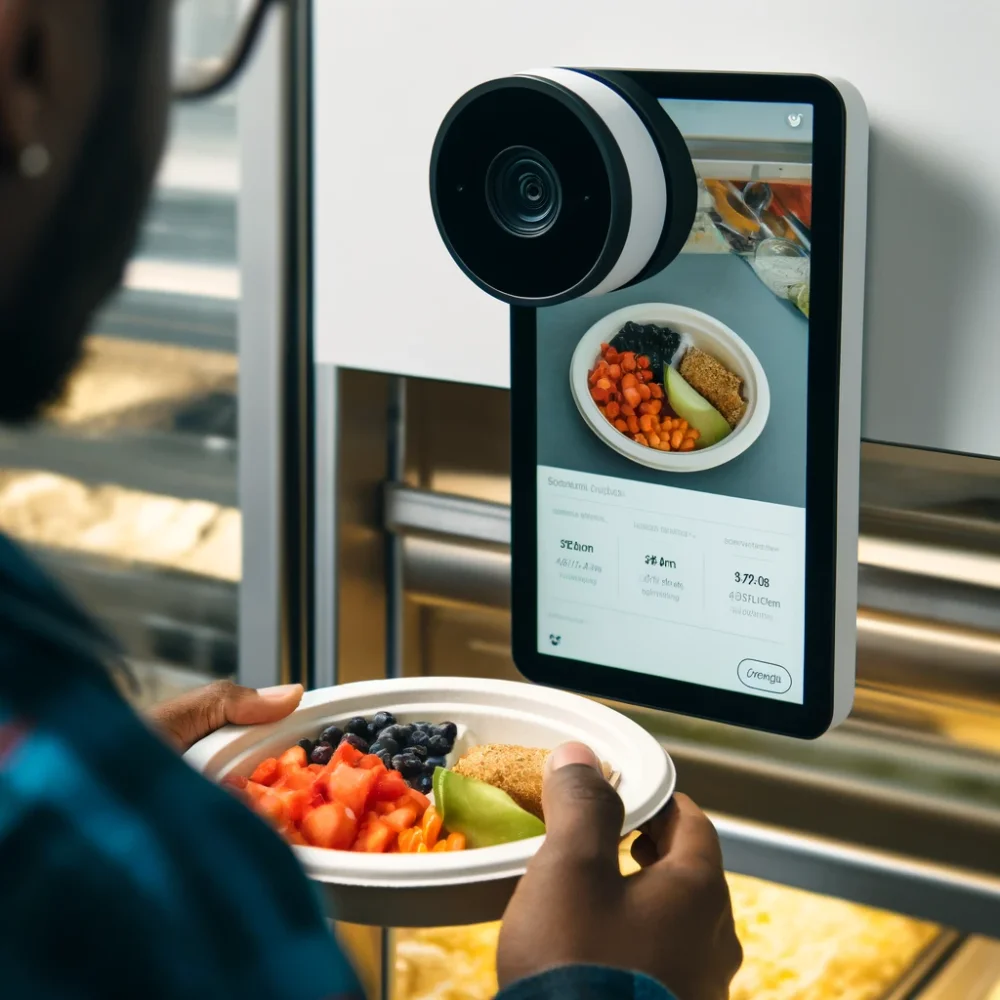
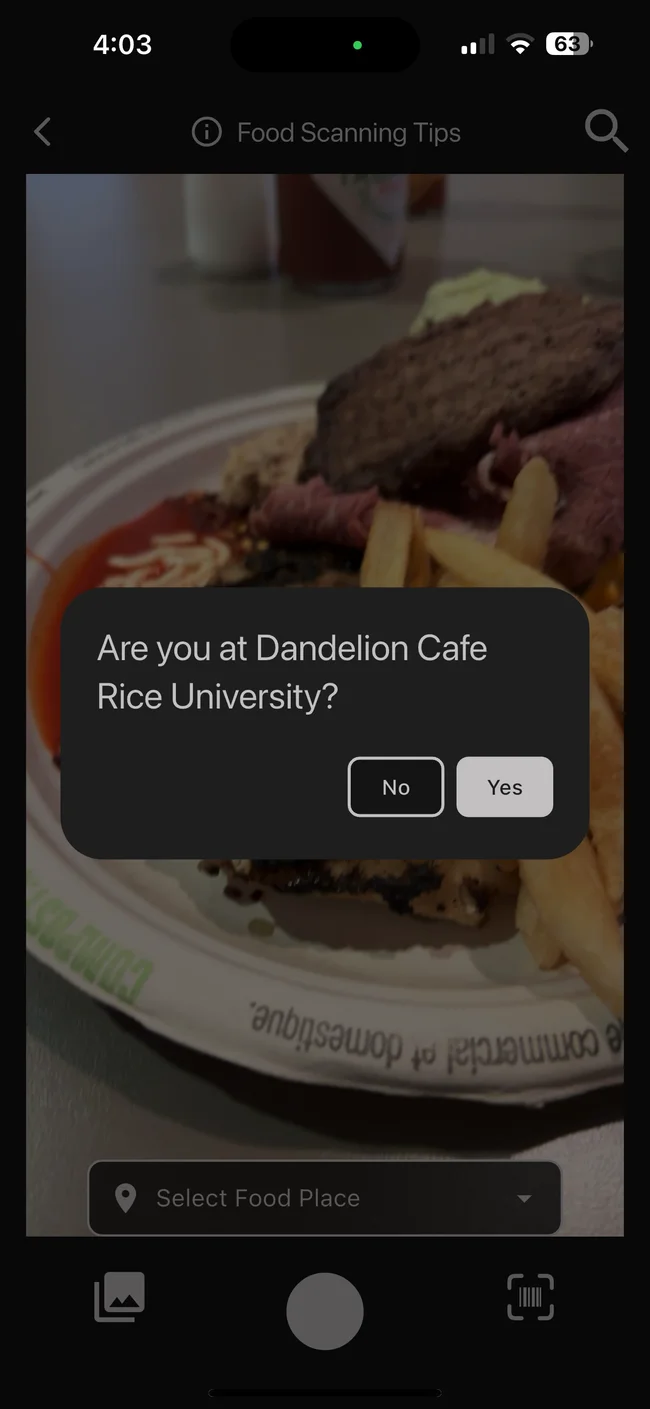
The first experience was straightforward. Take a photo of a meal and receive an estimated breakdown of its nutrients. We used the foods available in Rice’s serveries as context, rather than asking the model to identify every plate without knowing where it came from.
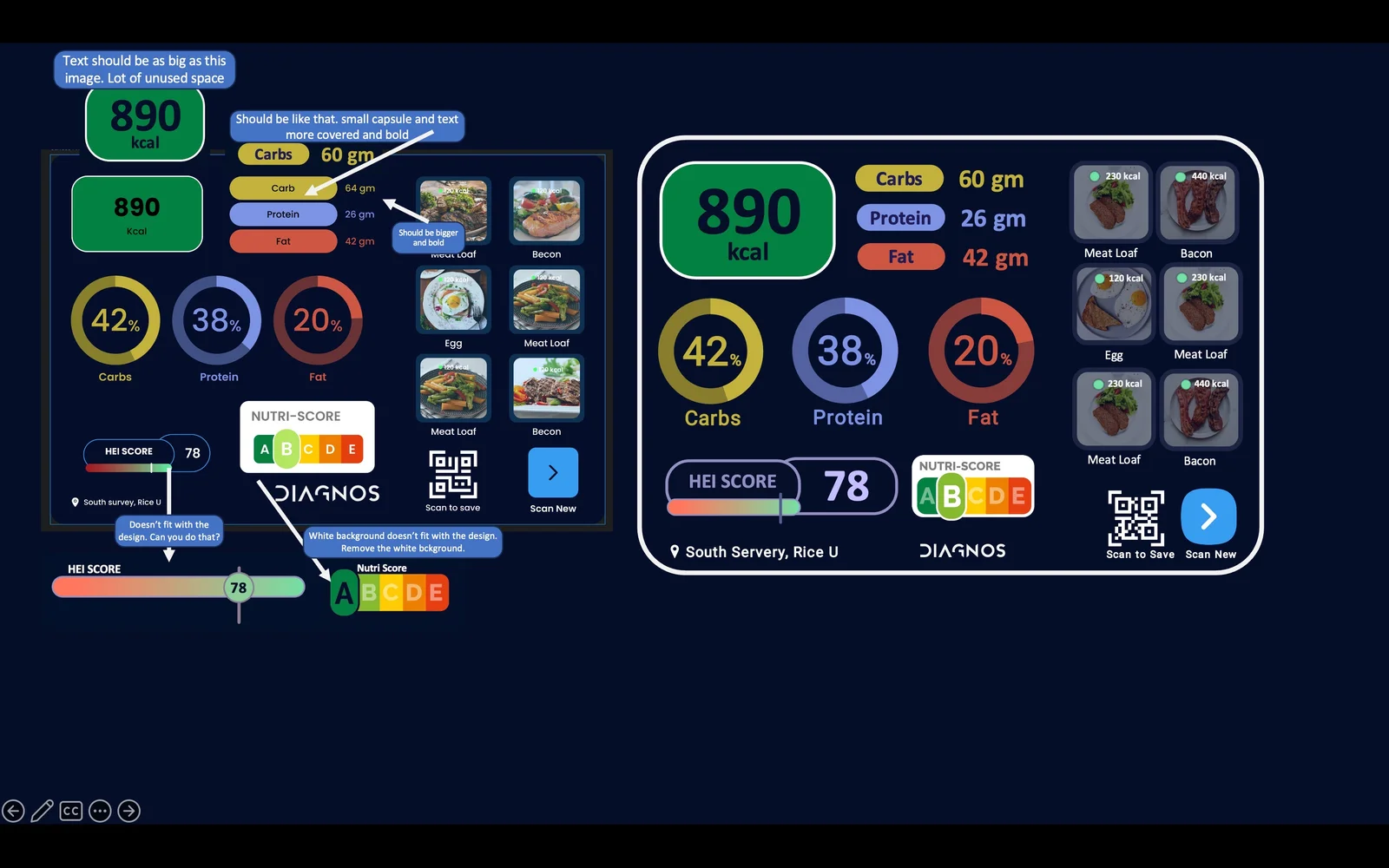
We worked on dining menus, meal histories, portion estimates, nutrition scores, and suggestions based on personal goals. A student should be able to understand what they had eaten and choose a useful next meal from food actually available nearby.
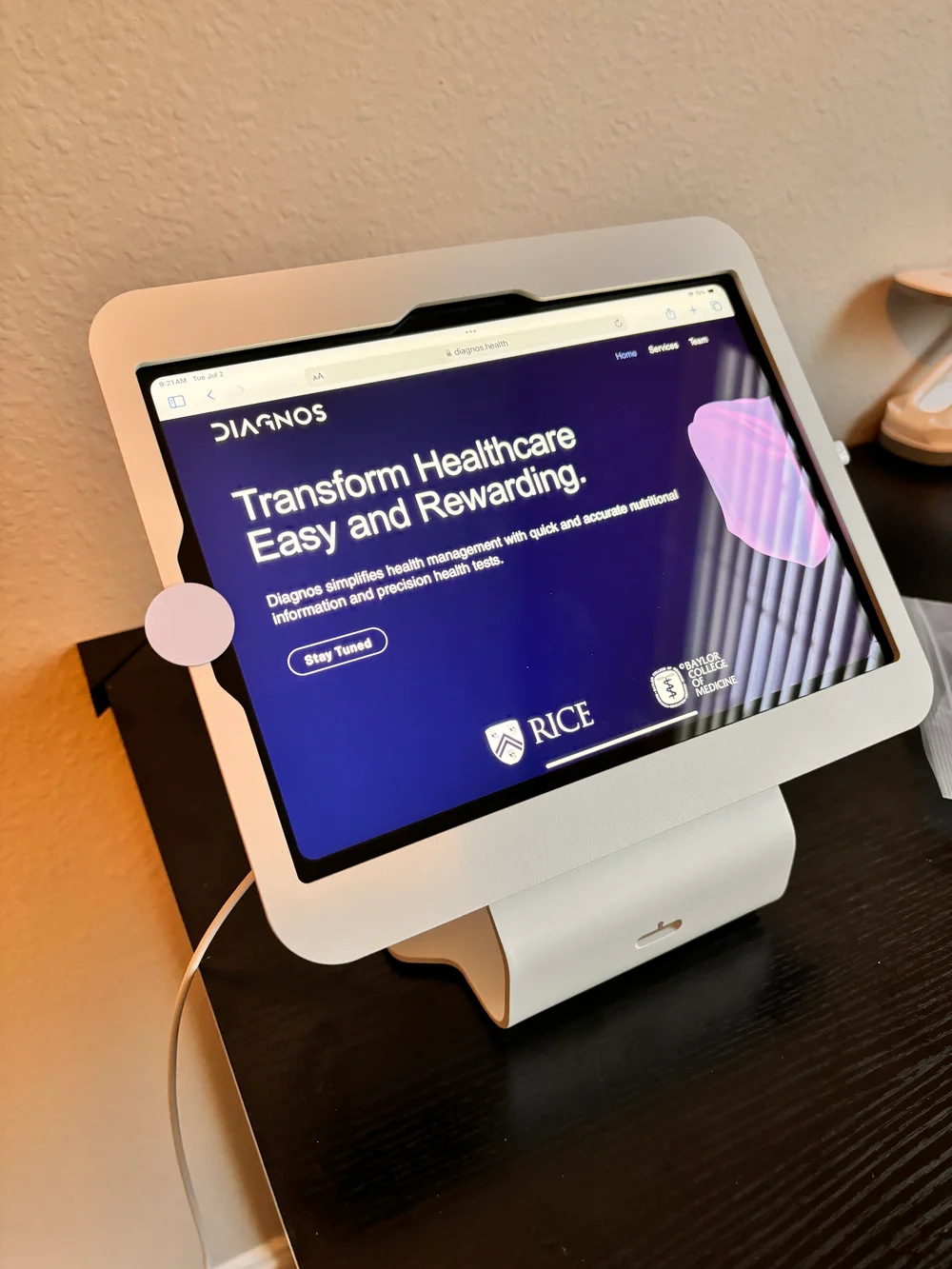
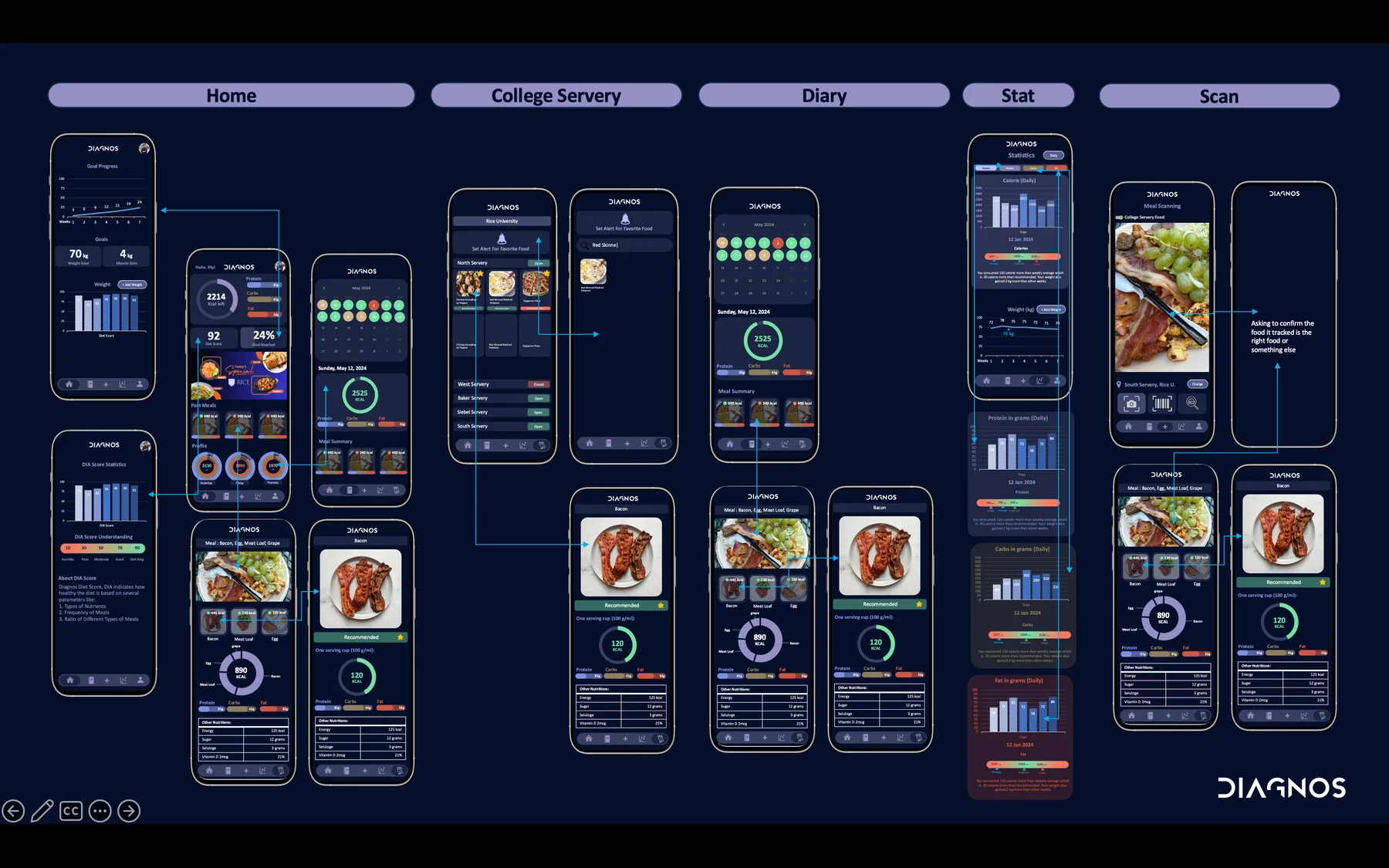
My work crossed design, algorithms, backend development, and the product itself. The early screens show how much we were trying to fit in: goals, daily summaries, menus, scanning, and trends. Even before launch, the scope was growing.
People started using it
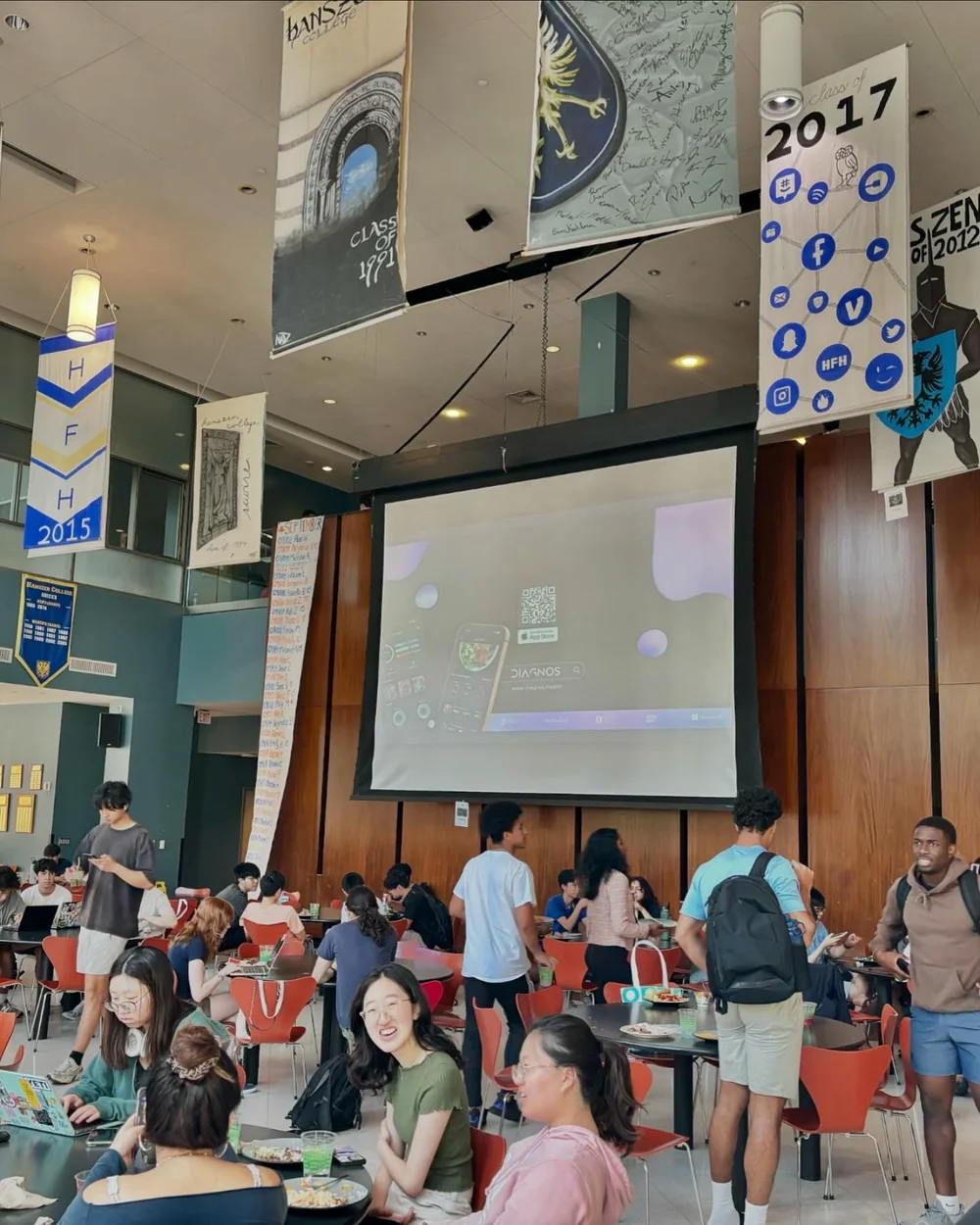
We launched the nutrition app in September 2024. It spread through friends, student networks, campus outreach, and word of mouth. Our records eventually passed 1,000 users, with more than 100 returning in a week.
Those were encouraging numbers for something we had built alongside classes. They were also early numbers. Signups did not tell us whether we had a sustainable business, and we still needed to understand why people returned or stopped using it.
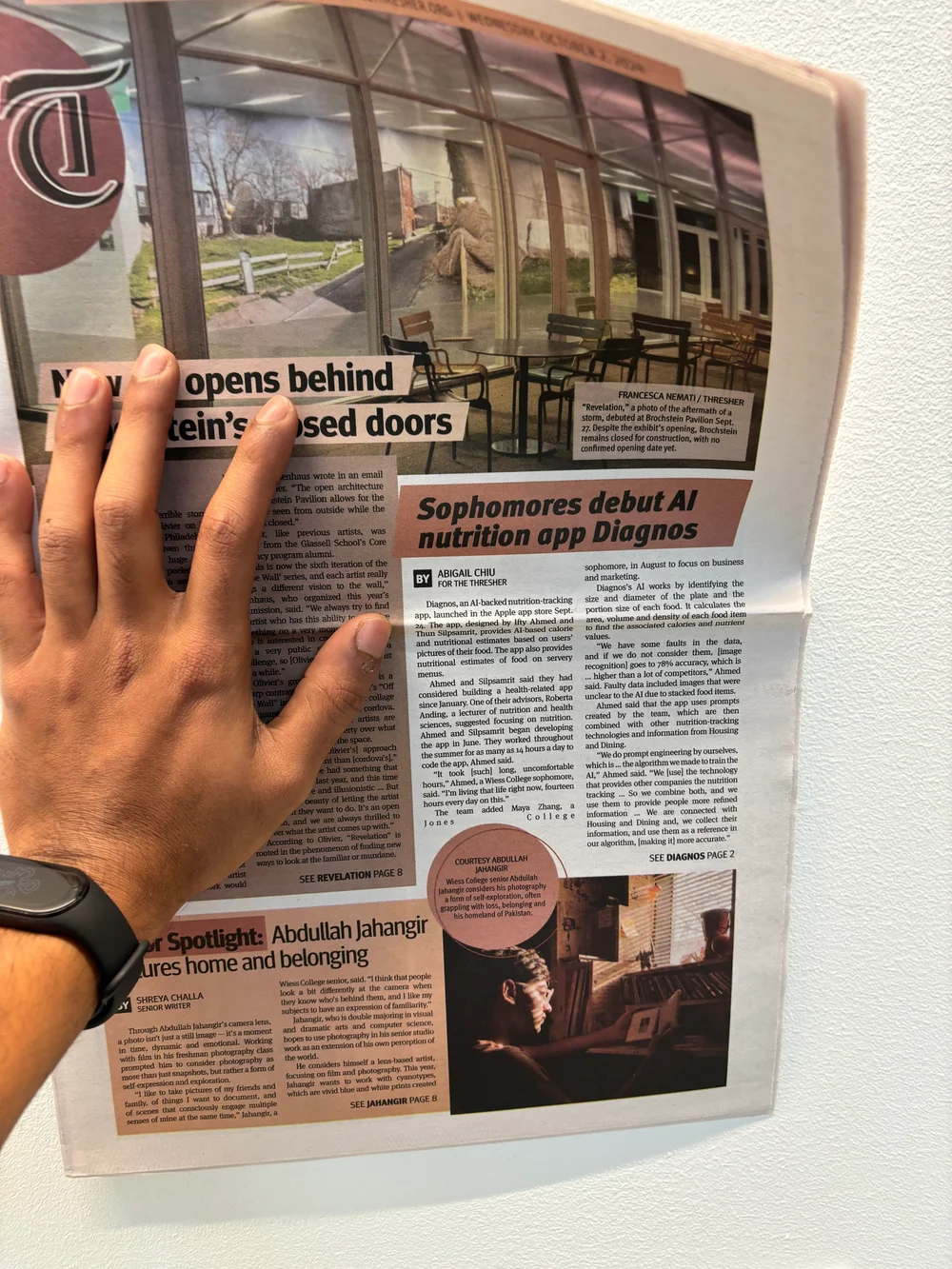
The Rice Thresher covered the launch that October. Seeing the app in the newspaper made the work feel less like an idea we kept explaining and more like something people expected to work.
A real task in a nutrition class
One of the most useful experiences came through Roberta Anding’s HEAL 103 nutrition course. Students used Diagnos for food logging and dietary evaluation. A seven-day diary activity also gave us structured feedback on how the app worked in everyday use.
This was a different kind of test from asking a friend to try a demo. Students needed to record meals over time and get information they could use in coursework. Confusing screens and tedious steps mattered immediately.
Looking back, that was a strong reason to keep improving the nutrition experience. We had a specific audience, a repeated task, and people who could tell us where it fell short.
The vision kept pulling us toward more features
Nutrition had always been the beginning of our health vision. Once the app had users, it was tempting to keep connecting more signals: Apple Health data, sleep, activity, recovery, and experimental camera-based wellness features.
Each addition had an explanation. Better context might make recommendations more personal. A daily health view might help someone notice connections they would otherwise miss. The demo below captures that period, when a meal log was becoming one part of a much broader app.
But the people downloading Diagnos did not necessarily share our whole roadmap. Some wanted to understand lunch. We were asking them to make sense of an increasingly complicated health experience. I had started treating the ability to build a feature as a reason to include it.
The silent demo moves from meal estimates to activity and recovery signals, personalized suggestions, and experimental wellness features. It documents the product direction at the time; prototypes and plans were not clinical validation.
A different customer appeared
Our conversations with Rice Athletics opened up another problem. Staff needed to interpret nutrition, wearable measurements, recovery, and wellness information spread across different systems. Food diaries were part of a larger workflow involving athletes and the people supporting them.
We began moving toward an Athlete Monitoring System. Intake, recovery, activity, and well-being became the organizing areas. We explored ways for staff to review trends and ask questions across the data, while athletes could keep logging through a mobile app.
This direction had a plausible business case. It also changed almost everything about the work. We were moving from an app someone could download on their own to software an institution would need to evaluate, integrate, and adopt.
Our Spring 2025 application described an athletic-wellness beta still in development. That distinction matters to me now: the earlier nutrition app had users; the new direction needed its own evidence. We could carry technology across the pivot, but we could not assume its traction came with it.
The team had to want the new problem
Diagnos brought us together around personalized health. Athletic-department software asked for a different kind of commitment: institutional workflows, integrations, staff dashboards, and a longer sales process.
I learned that technical overlap does not guarantee shared motivation. People who are excited to build a consumer nutrition app may feel differently about spending years on athletics operations. That is something a team needs to discuss before a pivot becomes the default.
I found it difficult to separate a promising opportunity from the question of whether it was the right opportunity for us. A larger market on paper did not settle that question.
What I would do differently
I would start with nutrition again. I would spend longer learning what made people return, where logging became annoying, and which suggestions changed a decision. We had enough early use to ask those questions seriously.
I would also make a change of customer an explicit decision. What are we giving up? What evidence supports the new direction? Does the team want to build it? Those questions deserve as much attention as the architecture.
Diagnos ran from early 2024 into 2025 and taught me how different building for real users feels from building toward a vision. I still care about the original health idea. What I carry into Qube is a stronger obligation to keep the immediate product understandable and useful.